To highlight cutting-edge advancements in robotics systems and automation engineering, and to deepen international academic exchange and research collaboration, the 2026 7th International Conference on Robotics Systems and Automation Engineering (RSAE 2026) was successfully held from June 26 to 28 on the Songjiang Campus of Shanghai University of Engineering Science (SUES). Hosted by SUES and organized by its School of Mechanical and Automotive Engineering, the conference brought together more than 100 experts and scholars from Spain, Singapore, Japan, Thailand, Egypt, China, and other countries.
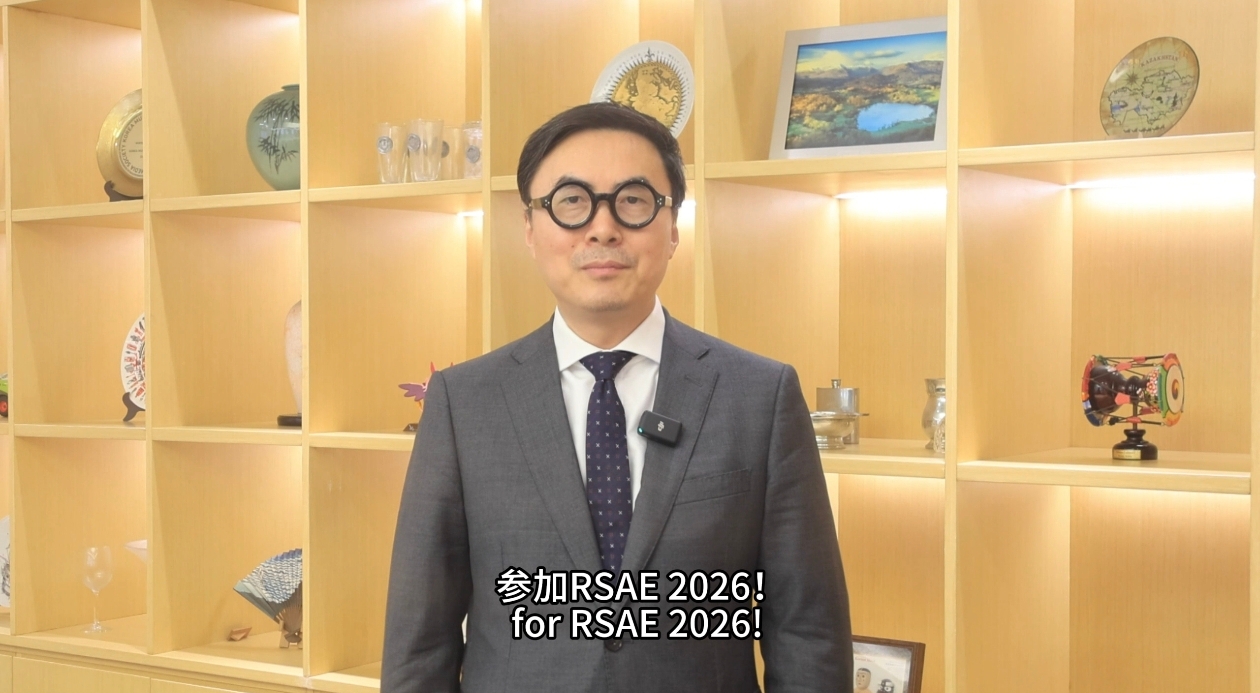
On the morning of June 27, the opening ceremony took place in Lecture Hall 2 of the Library and Information Center. President Lou Yongqi delivered a video address, extending a warm welcome and gratitude to experts and scholars from domestic and international universities and research institutions. He noted that SUES was born from, grows with, and thrives on industry, and that the university is now fully committed to building itself into a "world-class applied innovative university with distinctive industrial features." SUES is dedicated to cultivating "three-rotor" interdisciplinary applied innovative talents who possess an international perspective, global competence, innovative leadership and execution, as well as integrated capabilities in engineering technology, design thinking, and business insight. He expressed his hope that the conference would serve as a bridge to foster closer collaboration, deepen exchanges, and jointly pursue development, while continuously promoting the university's efforts to build an open and inclusive ecosystem for international cooperation.
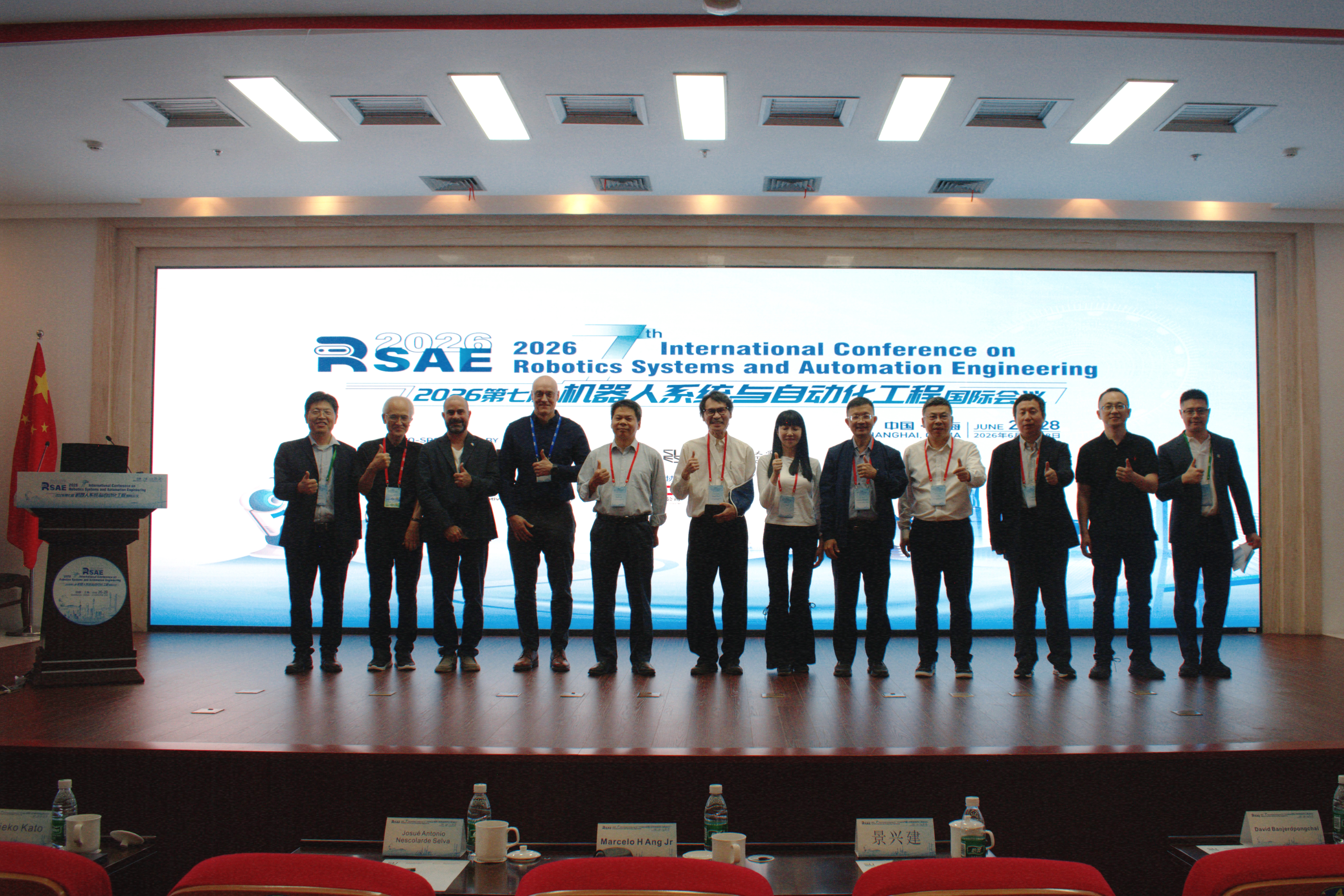
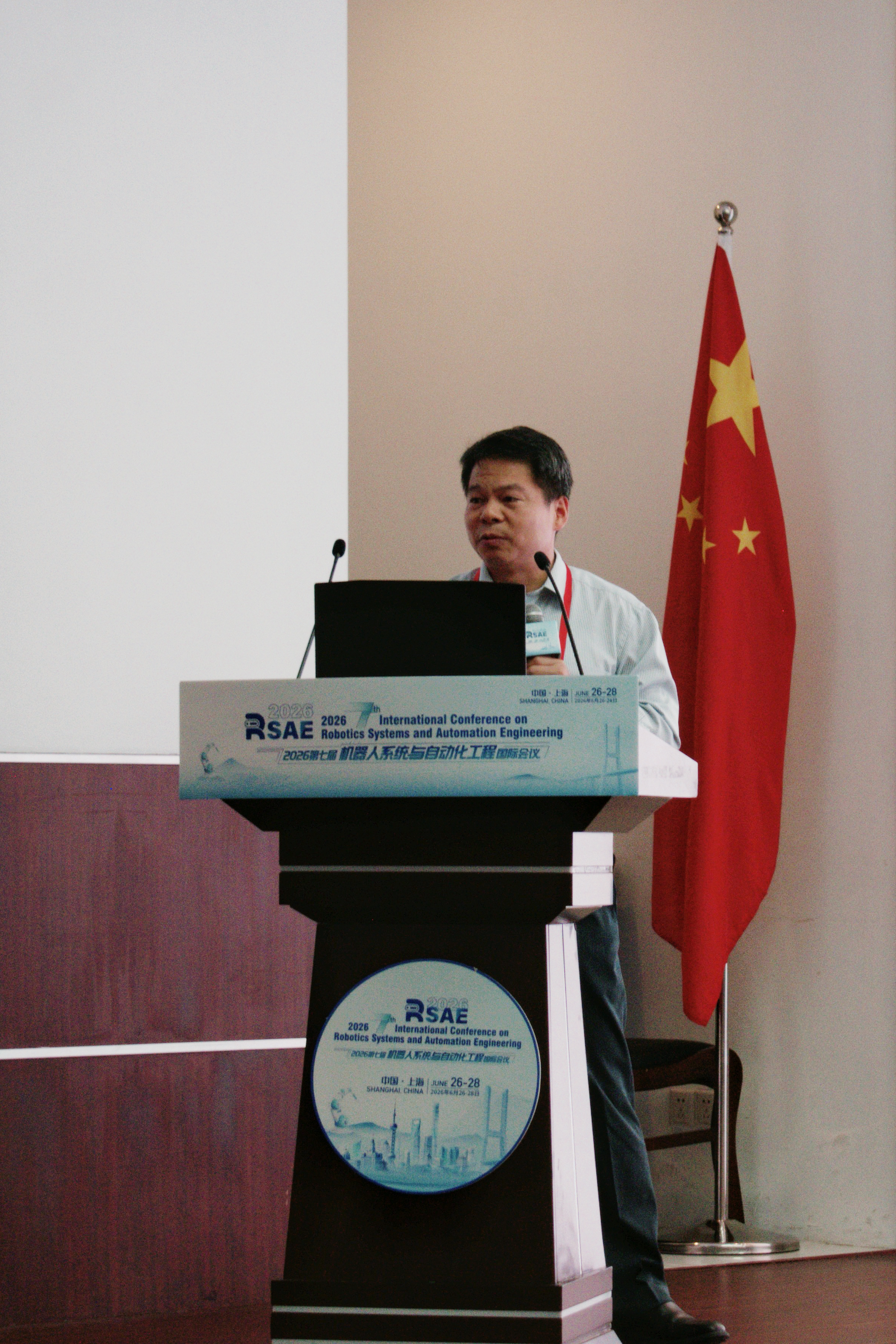
During the academic presentation sessions, distinguished experts and scholars — including Professor Marcelo H. Ang Jr. from the National University of Singapore, Professor Josué Antonio Nescolarde Selva from the University of Alicante, Spain, Professor Jing Xingjian from City University of Hong Kong, Professor Chieko Kato from Toyo University, Japan, and Professor David Banjerdpongchai from Chulalongkorn University, Thailand — shared their insights on topics such as the application of AI and robotics in nursing and therapy, map-free navigation for autonomous robots, and the design and control of electromagnetically driven multi-degree-of-freedom precision motion platforms.
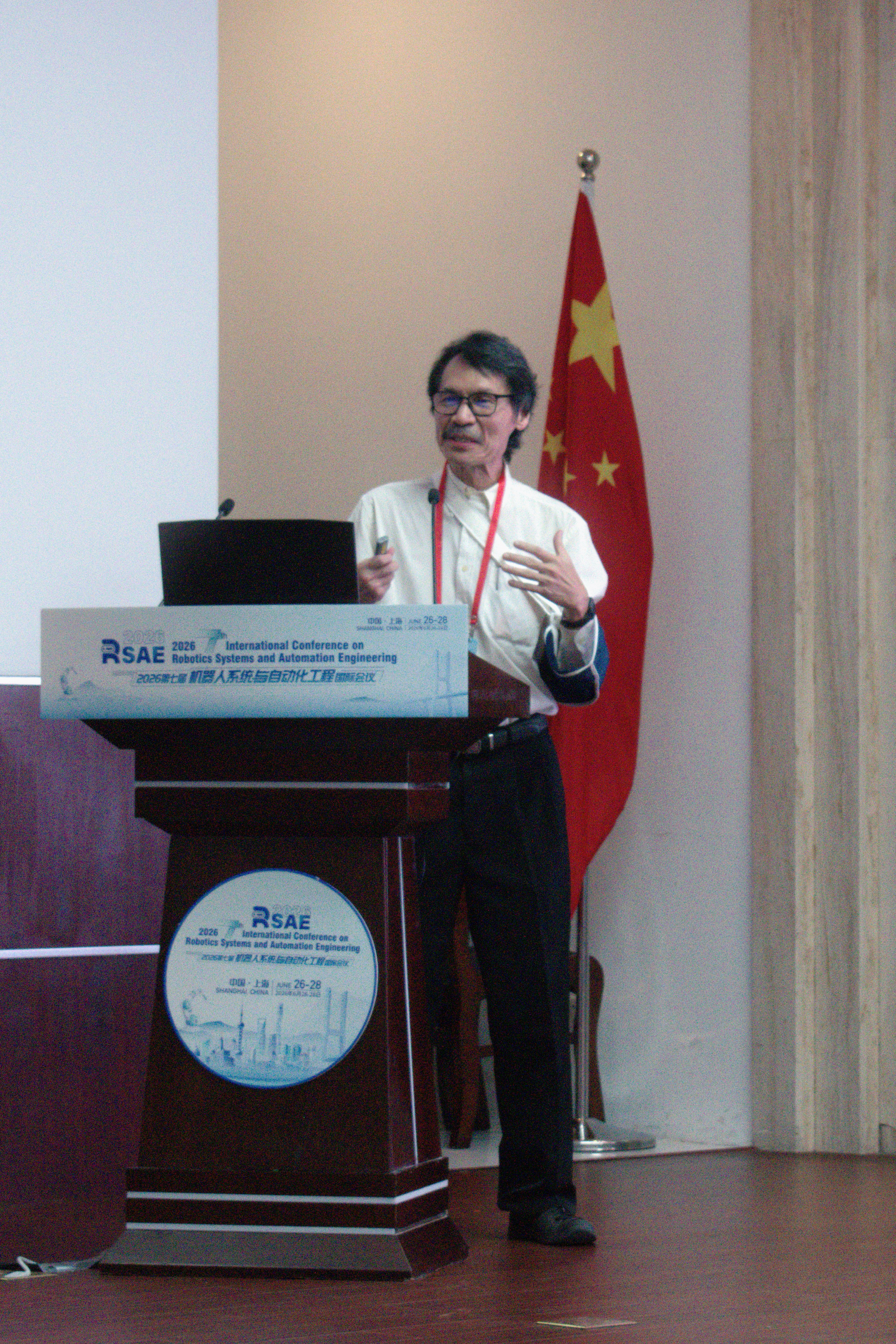
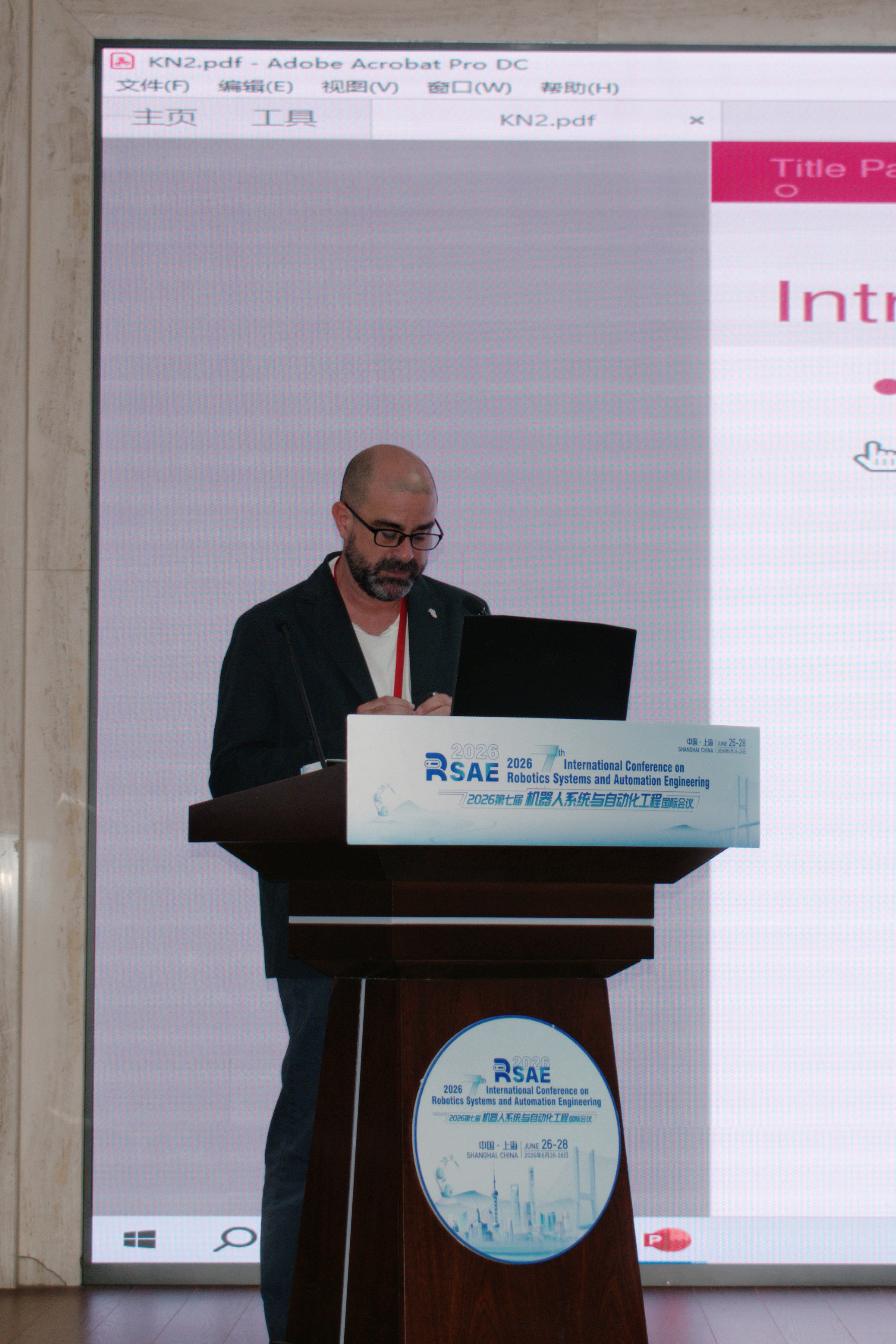
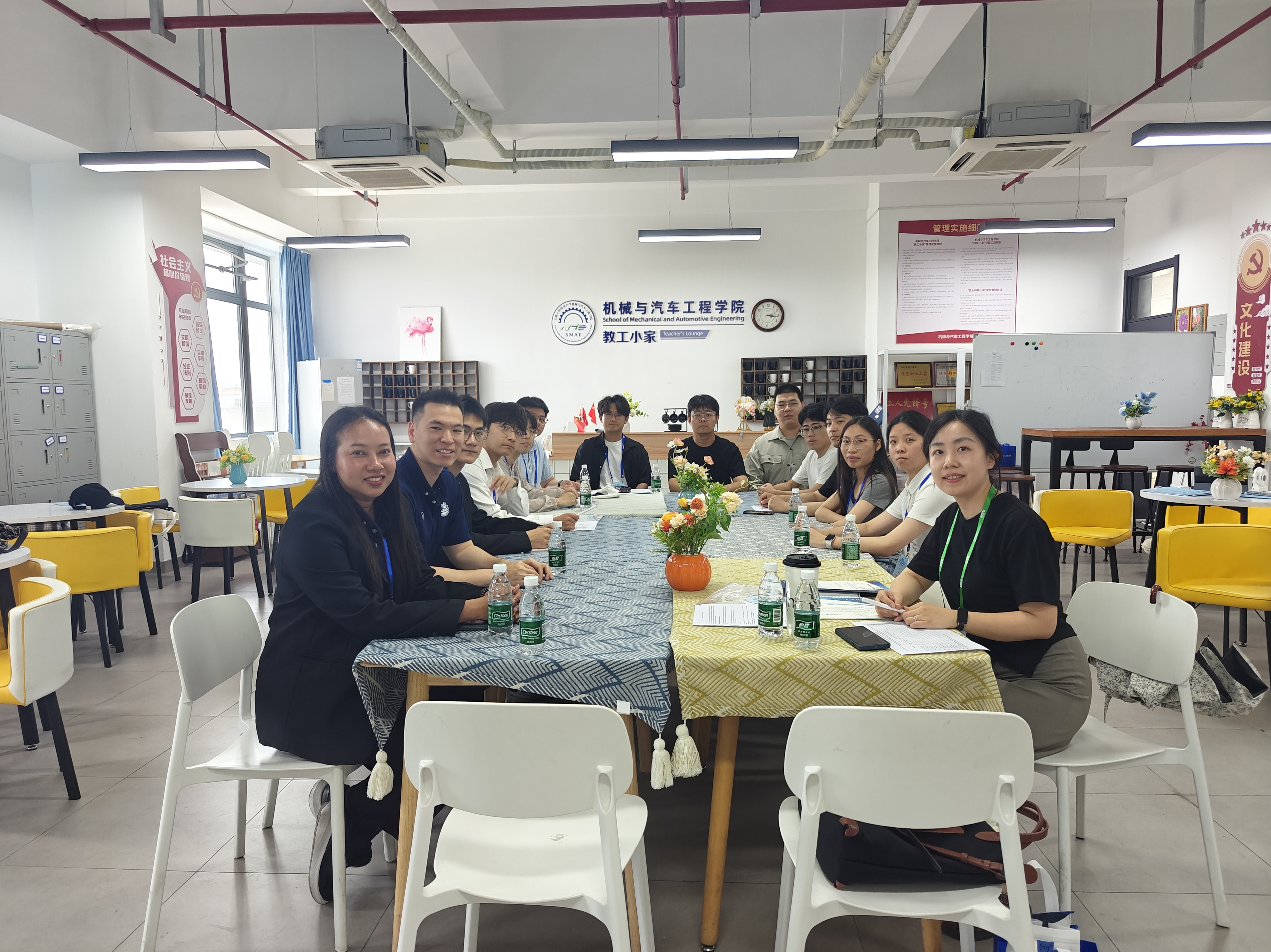
In the parallel discussion sessions, participating scholars, experts, faculty, and students engaged in in-depth exchanges on the latest advances in robotics systems and automation engineering.
Through its thematic presentations and intensive discussions, this international conference has injected new vitality into the innovative development of the robotics engineering field, and holds significant implications for promoting interdisciplinary integration, expanding international cooperation, and enhancing talent development and research innovation capabilities.